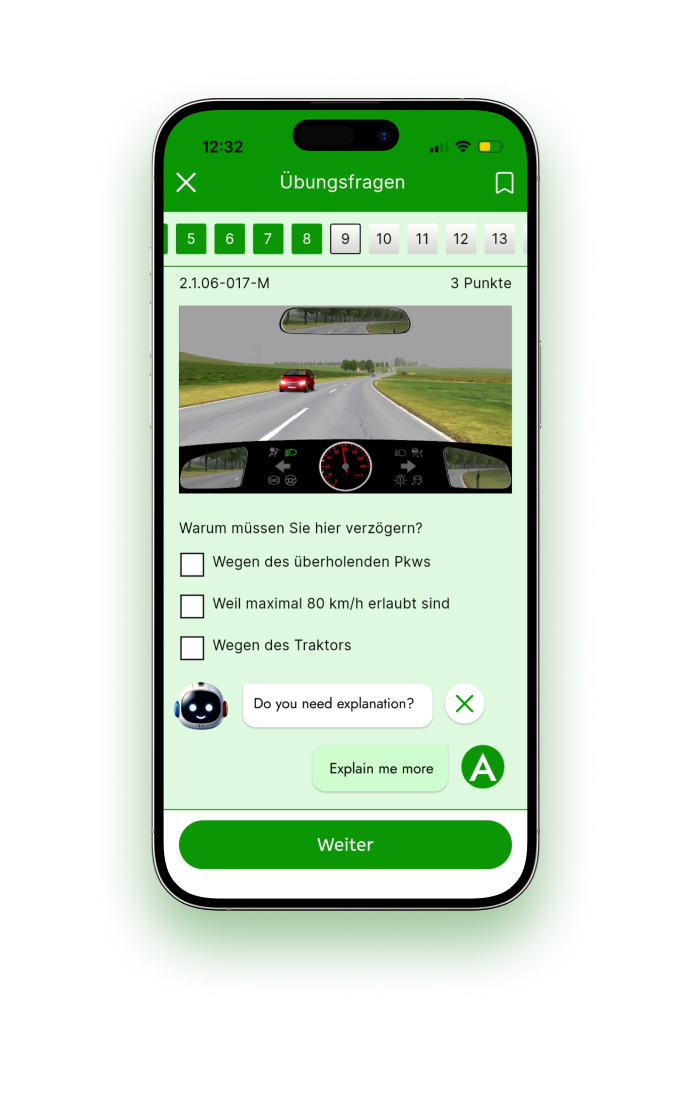
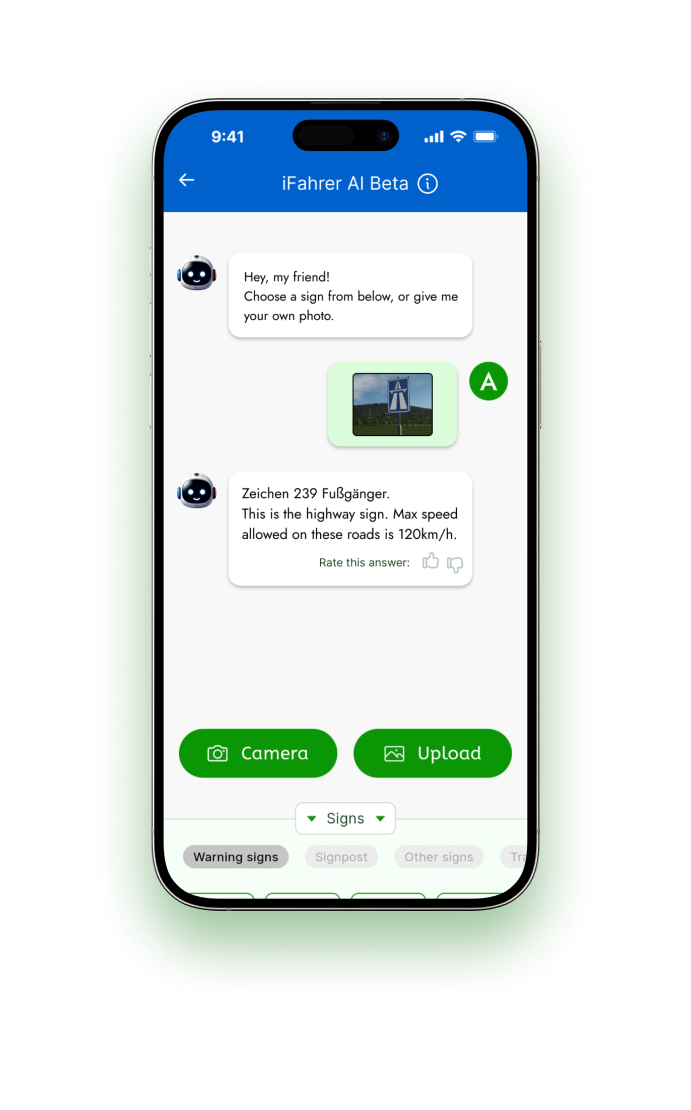
Get ready for your license test with AI assistance!
What measures help protect the environment?
- low-resistance tyres
- low viscosity engine oil
- air-conditioning systems
Here is Our AI Assistant's Explanation
Low-resistance tyres and low-viscosity engine oil both reduce how much energy the car needs just to keep moving, which directly lowers fuel consumption and therefore CO₂ emissions.
With low-resistance tyres, the tyre deforms less as it rolls, so there is less rolling resistance. The engine doesn’t have to work as hard at the same speed, so you burn less fuel. As a rule of thumb: correct tyre choice and correct tyre pressure are simple “eco” measures because they cut rolling losses.
Low-viscosity engine oil reduces internal friction in the engine (and sometimes in the drivetrain). Especially during cold starts, thinner oil circulates faster and the engine wastes less energy overcoming friction. Less wasted energy means lower fuel use and fewer exhaust emissions.
Air-conditioning systems are not an environmental protection measure in this sense because they usually increase fuel or electricity consumption (the compressor or the electric A/C load takes energy). Also, A/C systems can contain refrigerants that are harmful to the climate if they leak. So while A/C can be important for comfort and safety (e.g., demisting), it’s not considered an “environment-protecting” measure compared with reducing resistance and friction.